
HarborUX Academy: build fintech and e-commerce UX with real startup workflows
Master Figma, prototyping, and mobile-first UX with hands-on courses built for Hong Kong’s fintech and e-commerce startup scene. Learn by shipping real flows, improving conversion, and building portfolio-ready case studies. This page also includes key searches such as UI UX course Hong Kong, Figma course Hong Kong, UX design bootcamp HK, product design course HK, prototyping course Figma, mobile-first design training, fintech UX design course, e-commerce UX design course, interaction design Hong Kong, and UX workshop HK.
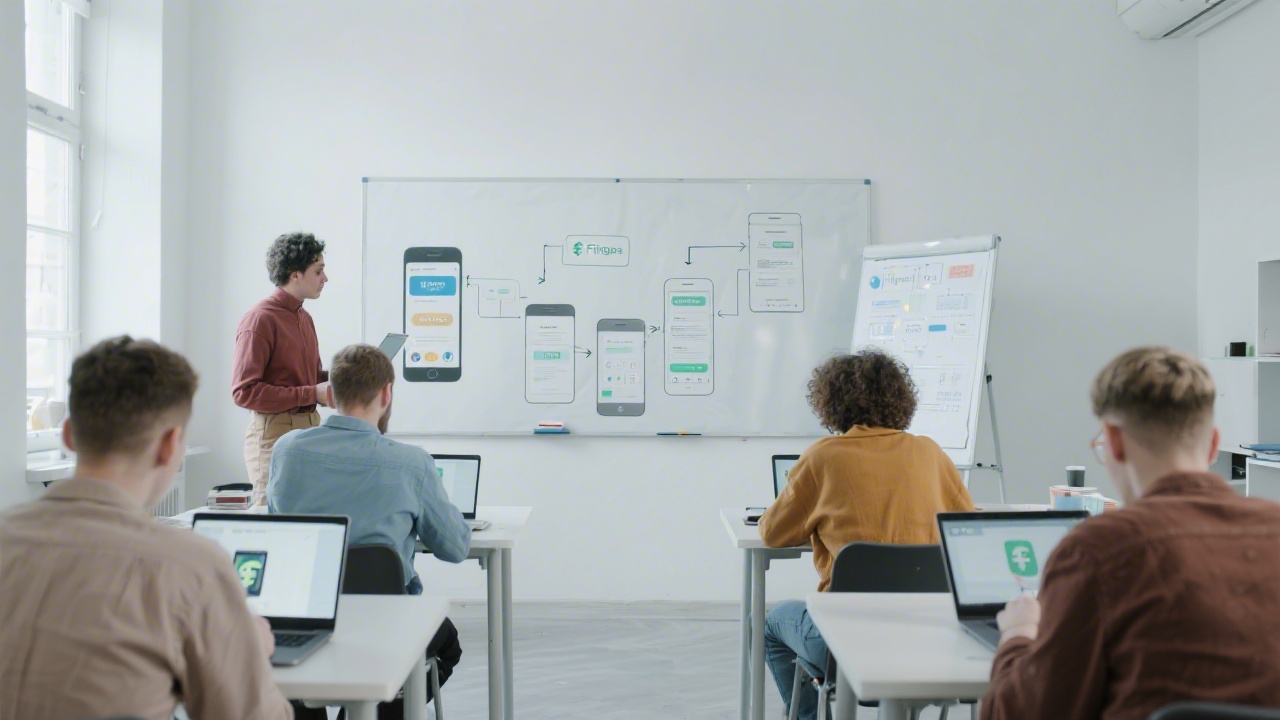

Fintech-ready flows
We practice onboarding, identity verification, risk messaging, and transaction clarity inspired by real Hong Kong product standards.
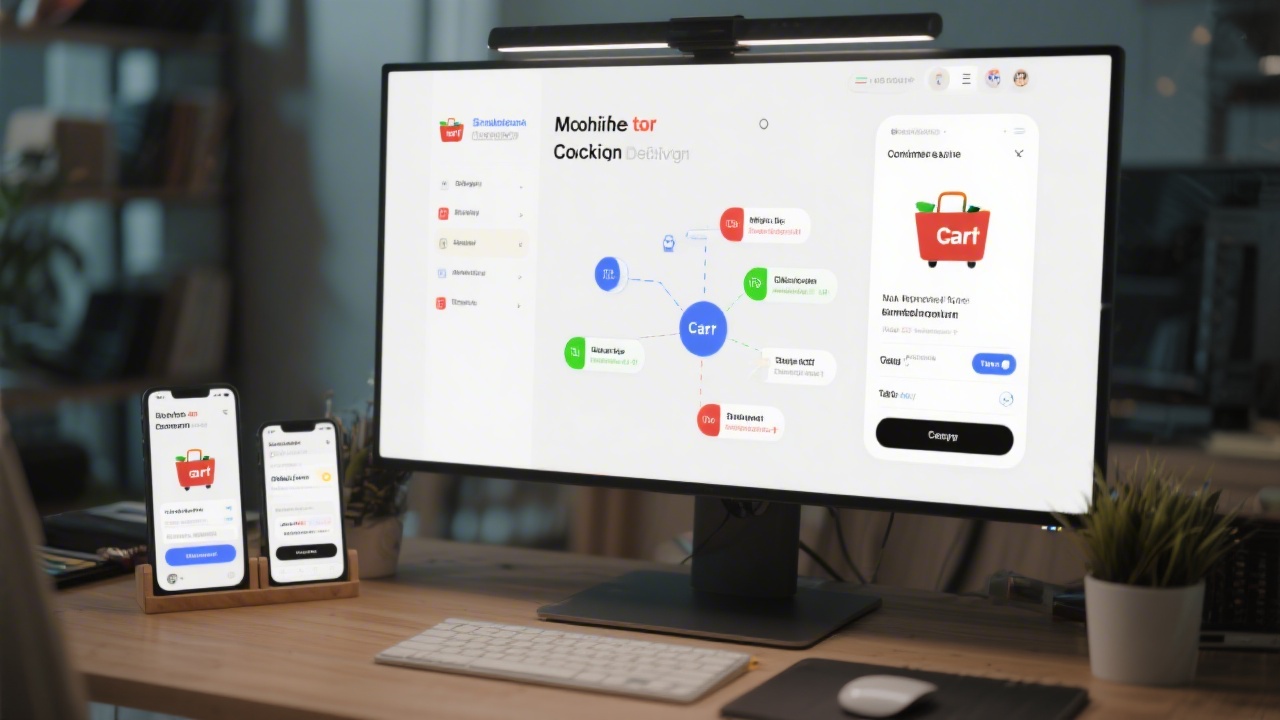
E-commerce conversion
Optimize catalog discovery, product detail presentation, and checkout UX for high intent mobile shoppers.
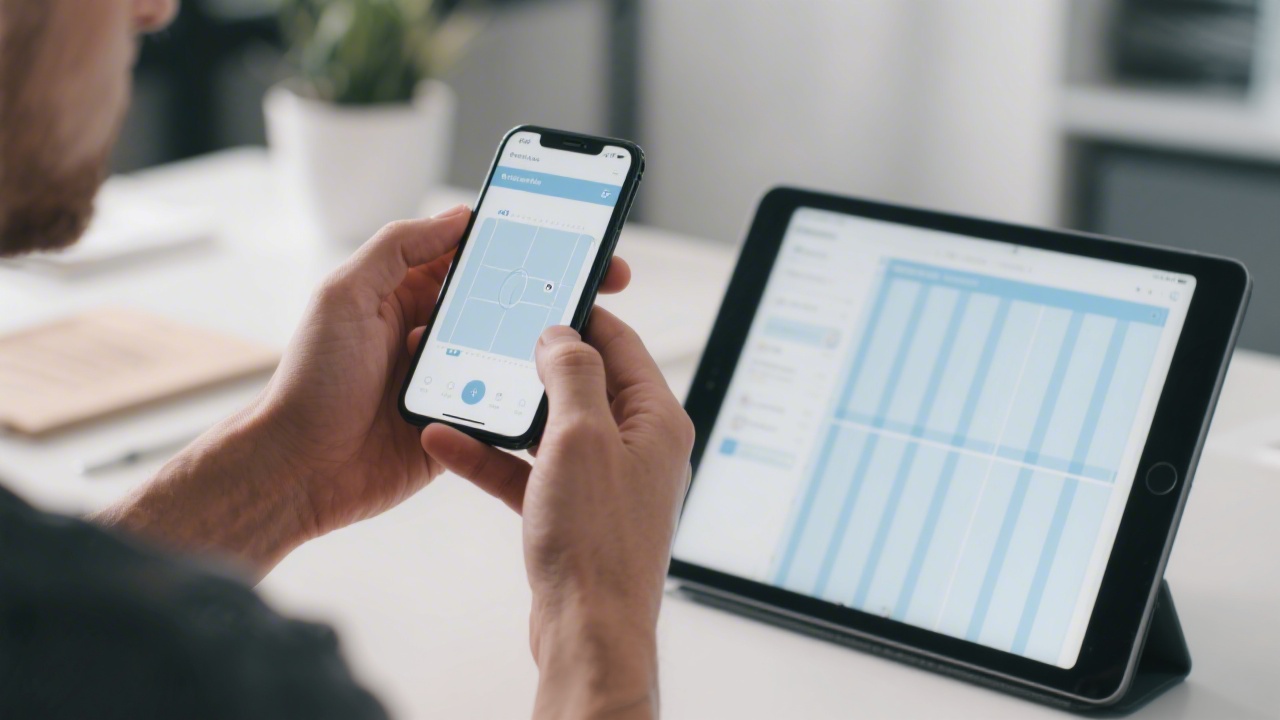
Mobile-first execution
Mobile usability is the default: finger-friendly controls, clear hierarchy, and fast comprehension.
Programs built around real product cycles
Our courses are structured for early-stage teams and career changers who want to contribute quickly. The program map reflects how Hong Kong startups build, test, and iterate products under time and regulatory constraints.
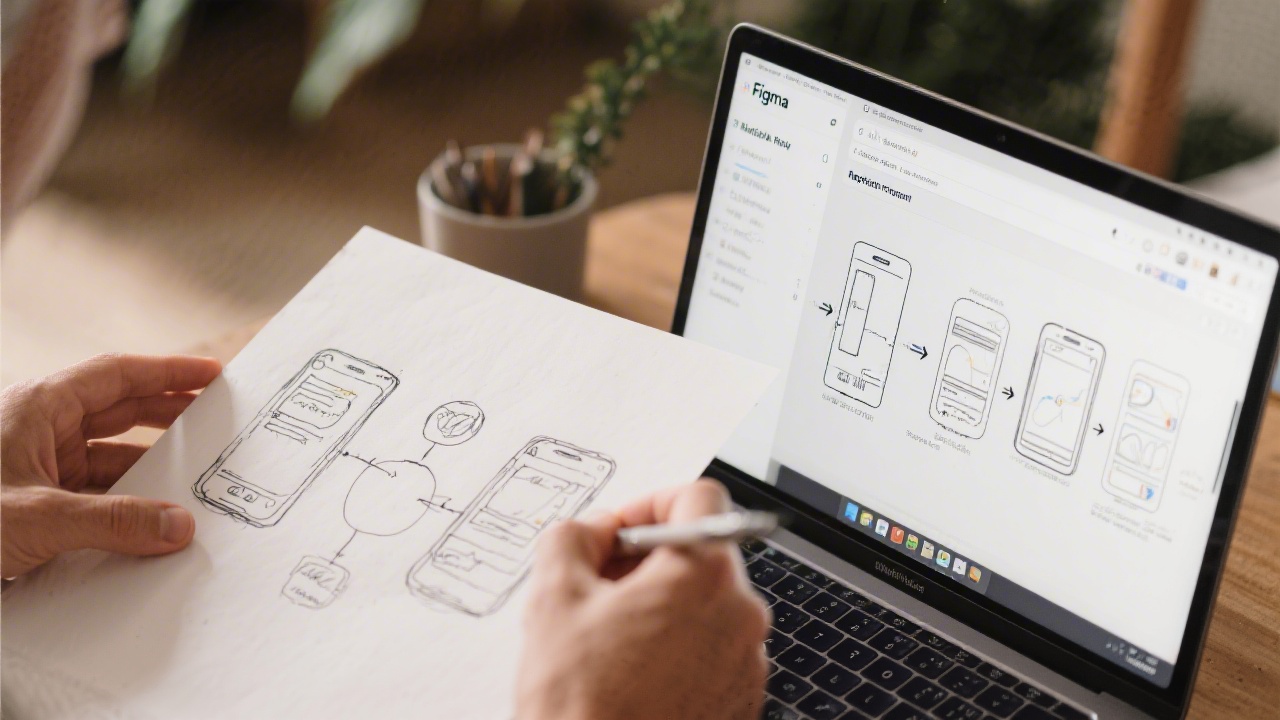
Rapid Prototyping Lab
Convert user goals into low-to-high fidelity flows, build clickable prototypes, and learn speed techniques for iteration.

Conversion-Driven UX Workshop
Frame hypotheses, redesign critical steps, and measure how micro-copy, layout, and feedback improve task completion.
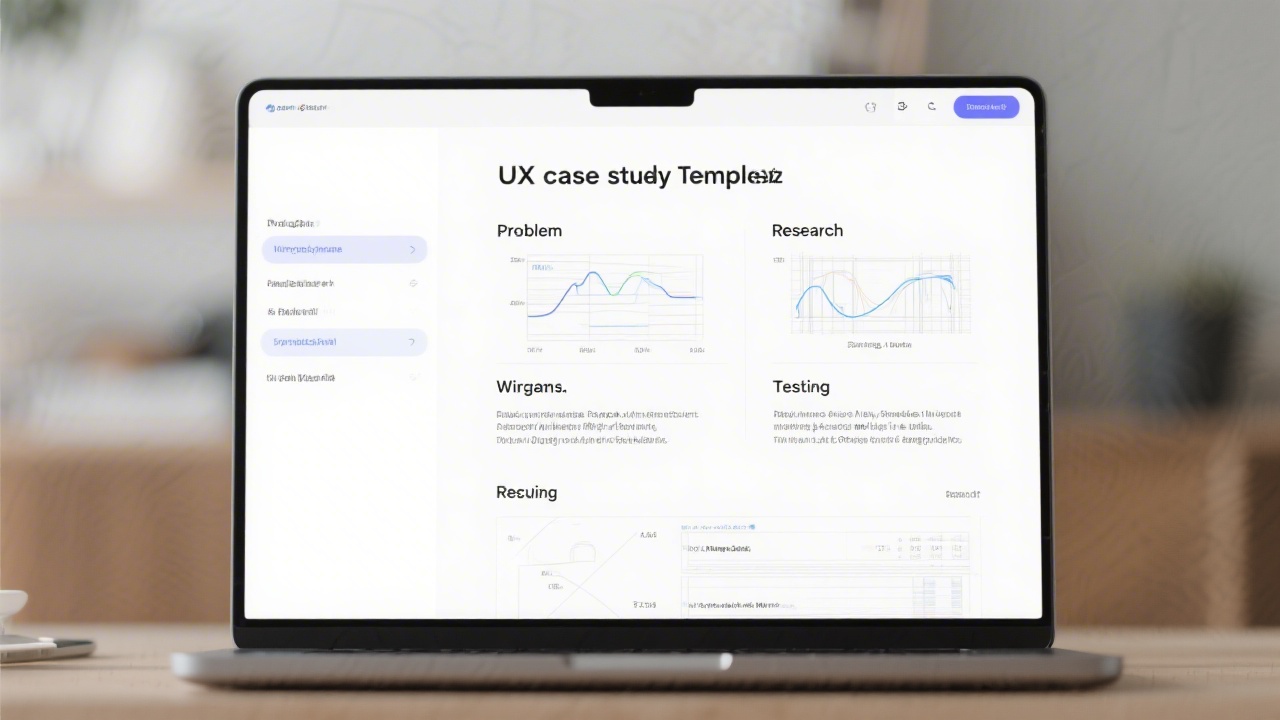
Portfolio Case Study Sprint
Document decisions with research notes, before/after screens, and rationale to present work confidently to startups.
Curriculum timeline
Week 1: Product context & UX foundations
Customer problem framing, Hong Kong market patterns, and defining success metrics for fintech and e-commerce.
Week 2: UX research & insights
Interview structure, task analysis, and usability findings turned into actionable design direction.
Week 3: Figma systems
Auto layout, component libraries, responsive grids, and mobile-first UI craftsmanship.
Week 4: Prototyping & testing
Interaction flows, rapid testing sessions, and iteration based on measurable feedback.
Week 5: Launch-ready flows
Finalize UX with edge cases, microcopy, and accessibility checks.
Week 6: Case study delivery
Build a narrative, present trade-offs, and package deliverables for hiring managers.
Portfolio outcomes and product readiness
By the end of the program, learners compile real screens, interaction prototypes, and measurable UX decisions. We emphasize how to explain why a change was made, what it achieved, and how it fits the product’s business and compliance requirements.
- End-to-end onboarding and payment flow prototypes.
- Figma component library tailored to a startup product.
- Usability insights and prioritized improvements.
- Case study ready for interviews and internal reviews.
FAQ
Contact HarborUX Academy
Start the conversation about your learning goals. We provide course information, schedules, and the right path for your experience level.
Phone: +852 5808 2146
Email: [email protected]
Address: Unit 1206, 12/F, 1 Harbour Road, Wan Chai, Hong Kong